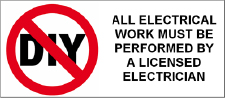
DIY Fixes for Home Electrical Gaps: When to Roll Up Your Sleeves and When to Call the Pros
Tuesday November 25 2025Electrical gaps in your home can lead to various issues, including inefficient appliances, increased energy bills, or even safety hazards. While some problems can be managed with DIY fixes, others may require professional help. Understanding when it’s appropriate to tackle electrical issues yourself and when to call in the experts is crucial to ensuring both your safety and the integrity of your electrical system.
Understanding Electrical Gaps
Electrical gaps refer to issues where connections between electrical components or systems are not secure, leading to inefficient power transmission or energy loss. Some common types of electrical gaps include:
- Loose connections at outlets or switches
- Poorly insulated electrical wires
- Gaps in circuit breakers or panels
By identifying and addressing these gaps, you can enhance the efficiency of your home’s electrical system.
Signs of Electrical Gaps
Being aware of the signs of electrical gaps is the first step in addressing potential issues. Here are some indicators you might have electrical problems:
- Flickering Lights: If your lights dim or flicker, this could be a sign of loose connections or overloaded circuits.
- Warm or Discoloured Outlets: Outlets that feel warm to the touch or show signs of discolouration indicate potential electrical hazards.
- Inconsistent Power Supply: If some outlets in your home are not functioning properly or are inconsistent, it may indicate an underlying electrical gap.
- Increased Energy Bills: A sudden increase in your energy bill without any changes in usage could be a sign that your electrical system is not operating efficiently.
If you notice any of these signs, it’s time to take a closer look.
When to DIY
There are several electrical issues that you can safely address on your own. Here are some common DIY fixes for electrical gaps:
Tightening Outlets and Switches
Loose outlets or switches can lead to arcing, which poses a fire hazard. If you notice any movement when you plug or unplug devices, follow these steps:
- Turn Off the Power: Always switch off the power to the outlet at the circuit breaker before inspection.
- Remove the Cover Plate: Take off the cover plate and use a screwdriver to tighten the screws holding the outlet or switch in place.
- Inspect Wiring: If you feel comfortable, check to see if any wires are loose or damaged.
- Replace the Cover Plate: Once everything is tight and secure, replace the cover plate.
Replacing Outdated or Damaged Outlets
If you have outdated or damaged outlets, replacing them can improve safety and functionality:
- Turn Off the Power: Again, ensure the power is off at the circuit breaker.
- Remove the Old Outlet: Unscrew and disconnect the wires from the existing outlet.
- Connect the New Outlet: Follow the manufacturer’s instructions to connect your new outlet, ensuring the wires are securely attached.
- Fix the Cover Plate: After securing the outlet, reattach the cover plate and turn the power back on.
Insulating Exposed Wires
If you notice any exposed electrical wires in your home, adding insulation can help prevent electric shock and energy loss:
- Use Electrical Tape: Wrap exposed wires with electrical tape, ensuring they are fully covered.
- Add Insulation: If applicable, use heat-shrink tubing on wires to enhance insulation and protect against wear.
When to Call the Professionals
While some tasks may seem straightforward, others require professional expertise for safety and compliance with regulations. Here are scenarios when it’s best to call an electrician:
Issues Beyond Your Control
If the electrical gaps you encounter are complex, such as issues within your circuit breaker panel or wiring throughout your home, it’s time to consult a professional.
Frequent Tripped Breakers
If you find that your circuit breakers are tripping frequently, it may indicate a serious underlying problem. This could be due to overloaded circuits, and a qualified electrician can help diagnose and resolve the issue.
Renovations or Major Repairs
If you are considering renovations that involve electrical work, it’s crucial to hire a professional. They can ensure that all installations meet current building codes, contributing to your safety.
Unclear Symptoms
If you are unsure about the symptoms you are experiencing or how to resolve them, calling a professional can save you time and potential hazards.
The Importance of Safety
Safety should always be your top priority when dealing with home electrical systems. Here are some general safety tips:
- Always Disconnect Power: Before starting any work, switch off the power source at the circuit breaker.
- Use Proper Tools: Ensure you have the right tools for the job, including insulated screwdrivers and electrical tape.
- Follow Instructions: If you are following a guide or tutorial, make sure to stick to the provided instructions for safety.
- Know Your Limits: If you feel uncomfortable at any point, it’s best to contact a qualified electrician.
Tackling electrical gaps in your home can be a fulfilling DIY project if done correctly. Keeping abreast of safety practices and understanding when to roll up your sleeves or to call in an expert can save you time, money, and frustration. It ensures your home remains safe and efficient for years to come.
If you’re ever in doubt or face complexities beyond your expertise, reach out to a qualified electrician.
Remember, your home’s electrical system is crucial to your comfort and safety, so managing it wisely is key to enjoying those benefits.
If you need assistance, feel free to contact us via our contact page or alternatively book an online request for a service call to save 10% on our initial inspection fee.
What specific electrical issues have you encountered in your home, and how have you addressed them?