Power Surges and What to Do: A Homeowner’s Guide to Protecting Your Electronics
Tuesday June 16 2026Power surges can destroy your home appliances and sensitive electronics in a fraction of a second. A sudden spike in electrical voltage can fry the delicate circuit boards inside your television, computer, fridge, and oven. Installing a dedicated surge protection device directly into your main switchboard is the most reliable way to secure your entire property from external electrical spikes.
Internal power surges happen frequently when high-power appliances like air conditioners or washing machines cycle on and off. You need to combine switchboard protection with localized surge strips to shield your valuable home entertainment systems and computers. Taking immediate preventative action stops minor recurring voltage fluctuations from degrading your electrical components over time.
What Causes a Power Surge in Your Home
Lightning strikes to local power lines create massive, sudden voltage increases that travel directly into nearby houses. Power grid switching by your electricity provider can also send unexpected spikes through the network to your point of attachment.
Internal issues are responsible for the vast majority of smaller, everyday electrical fluctuations. When large motorised appliances switch off, they redirect electrical energy back into your internal wiring system.
- Severe storms and direct lightning strikes to infrastructure
- Faulty, damaged, or degraded electrical wiring inside your walls
- High-power appliance motors cycling on and off during daily operation
- Main power grid switching and regional electrical maintenance work
Have you noticed your kitchen lights flicker slightly when your fridge compressor kicks in? This common occurrence indicates a small internal voltage shift happening inside your circuits.
The Cost of Electrical Surge Damage
Modern household appliances rely on microprocessors to run their advanced digital programmes and timers. These microchips operate on low, highly precise voltages and cannot tolerate sudden electrical pressure.
A single major spike can melt components, sever internal connections, and ruin an entire appliance instantly. Smaller repeated spikes slowly overheat circuits and cause your electronics to fail years before their time.
- Oven control panels stop responding to user input
- Fridge compressors overheat and stop cooling food properly
- Dishwasher mainboards short out mid-cycle and refuse to drain
- Washing machine motors burn out prematurely from voltage stress
Replacing multiple premium kitchen and laundry appliances at the same time is a major financial burden. Most standard home insurance policies do not automatically cover damage caused by power surges.
How to Protect Your Household Property
You can secure your electrical items by implementing a multi-layered safety strategy across your home. The first layer must focus on the main entry point where power enters your property.
Switchboard Surge Protectors
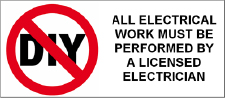
A licensed electrician can install a surge protection device straight into your switchboard. This specialised device detects excess incoming voltage and diverts it safely into the earth wire before it reaches your power outlets.
It blocks external threats from grid faults and nearby lightning strikes instantly. This installation safeguards hardwired items like your oven, cooktop, and hot water system.
Portable Surge Strips
You should plug sensitive electronic items into high-quality surge protection power boards. Do not confuse a standard cheap power strip with a true surge-protected model.
- Look for power boards with a specified clamping voltage rating
- Use them for computers, internet routers, and television setups
- Replace these power boards after any major storm event
These power boards act as a secondary barrier against small internal spikes generated by other household items. They absorb residual energy that gets past your main electrical board.
What to Do Directly After a Power Surge
If a severe storm or blackout causes a sudden power failure, you need to act quickly to minimise asset damage. Unplug your premium devices from the walls before the main power utility company restores the grid.
The moment the grid comes back online, a secondary power surge often flows through the lines. Wait until the mains power stays completely stable before plugging your appliances back into the walls.
Check your switchboard safety switches and circuit breakers to see if any have tripped to the off position. If a breaker trips again immediately after resetting it, leave it alone and seek professional assistance.
Did your oven or dishwasher stop working completely right after a major afternoon thunderstorm? The internal electrical components might have absorbed a destructive charge.
Our service vans carry a wide range of common manufacturer spare parts to fix issues on the spot. If our technician cannot finish your appliance repair during the initial inspection, we will give you a clear quote for the required work.
Key Takeaways
- Main switchboard surge protectors shield your entire home from massive external voltage spikes.
- Internal power spikes occur when large appliance motors cycle on and off during normal daily use.
- Microprocessors inside modern fridges, ovens, and dishwashers are highly sensitive to electrical changes.
- Unplug your expensive electronics during blackouts to avoid the surge when grid power returns.
- Standard power strips do not offer the same protection as dedicated surge power boards.
You can contact us via our contact page at https://abcelectrical.net.au/contact-us or alternatively book an online request for a service call at https://abcelectrical.net.au/247-online-bookings/ to save 10% on our initial inspection fee.