Dim Lights: Causes, Quick Fixes, and When to Seek Help
Thursday June 11 2026Dim lights in your home point to simple bulb issues or reveal hidden faults in your electrical wiring and major household appliances. You must identify the core cause of losing light brightness immediately to protect your electrical circuits, keep your appliances running safely, and ensure your household security.
We encounter lighting issues and appliance faults daily across Brisbane properties, ranging from aging light fixtures to overloaded circuits caused by malfunctioning white goods. Most minor light issues require a basic bulb change, but persistent flickering or dropping voltage when an appliance starts up requires a professional inspection by a qualified electrician.
Common Causes of Dimming Lights
Understanding why your lights lose brightness helps you choose the correct course of action. Several distinct electrical issues trigger these symptoms in domestic properties.
Faulty or Incompatible Light Bulbs
Old incandescent bulbs naturally lose their brightness over time. Modern LED bulbs can also dim prematurely if you install them on an incompatible old dimmer circuit.
Overloaded Domestic Circuits
Do your kitchen lights drop in brightness when your refrigerator compressor kicks in? Large household appliances draw high amounts of current during startup, which causes a temporary voltage drop on shared electrical circuits if the appliance has a motor or heating element fault.
Loose or Damaged Electrical Wiring
Corroded wires or loose screw terminals behind your light switches create high resistance. Loose wiring connections restrict the flow of electricity to your light fittings, creating localized heat.
Main Grid Supply Issues
Sometimes the fault originates outside your property boundary lines. Fluctuations in the local grid or a degraded service fuse on your property bracket can cause building-wide voltage drops.
Quick Fixes You Can Try Safely
You can resolve several basic lighting issues safely without opening flush plates or touching fixed electrical wiring. Try these straightforward troubleshooting steps first.
- Turn off the light switch and replace the dim bulb with a brand-new bulb of the correct wattage.
- Check whether you mixed non-dimmable LED bulbs into a dimmable light fixture track.
- Unplug secondary appliances from the same outlet circuit to see if the brightness returns to normal.
- Clean dusty glass diffusers and light covers that physically block the light output.
When to Seek Professional Assistance
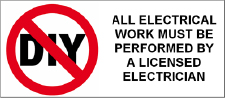
Fixed electrical wiring work and major appliance electrical repairs in Australia remain strictly illegal for unlicensed individuals. You must book a qualified electrician if your dimming lights accompany warm switch plates, burning smells, or regular safety switch tripping.
Persistent Whole House Dimming
If every light fixture across your entire home dims simultaneously, your property faces an incoming supply issue or a neutral wire fault. A broken main neutral wire represents an extreme electrical hazard that can cause severe shocks and damage your plugged-in appliances.
Faults Linked to Major Kitchen Appliances
When your oven, stove, dishwasher, fridge, cooktop, dryer, or microwave causes your ceiling lights to dip, your kitchen circuits or the appliances themselves need checking. Our service vans are stocked with the most frequently required spare parts to repair appliance faults during our initial inspection.
Our technicians diagnose whether a failing appliance heating element or motor is drawing excessive current and dropping your voltage. If an appliance repair cannot be completed during the initial inspection, our technician provides you with a clear quote.
Have you noticed your kitchen lights dipping when your clothes dryer or fridge starts up this week?
You can contact us via our contact page at https://abcelectrical.net.au/contact-us to discuss your electrical issues. Alternatively, you can book an online request for a service call at https://abcelectrical.net.au/247-online-bookings/ to save 10% on our initial inspection fee.
Key Takeaways
- Bulb compatibility matters because using non-dimmable LEDs on dimmer switches causes severe dimming and flickering.
- Appliance surges signal faults when starting your microwave, oven, or fridge dims your lights, indicating a circuit overload or appliance motor defect.
- DIY electrical work is illegal in Australia, meaning a qualified professional must handle all wiring and appliance repairs.
- Online bookings save money by giving you 10% off the initial inspection fee when you book your service call through our website.