Safety Check your Electric Blankets before Winter
Thursday April 2 2026Winter is approaching fast in Brisbane, so you should check your electric blanket now before you need it. Faulty electric blankets pose serious fire risks every year, and our licensed electricians want you to stay warm safely. Taking a few minutes to inspect your blanket can prevent a tragedy in your home. It is crucial to ensure your electric blanket is safe before its first use of the season.
Do not just pull your electric blanket out of the cupboard and switch it on. A simple visual inspection is the first vital step to ensuring your family stays safe. Lay the blanket flat on your bed and carefully feel the entire surface with your hands. You are checking for any hotspots or kinks in the internal wiring that could cause a fire.
Look closely for any frayed fabric or exposed wires that might indicate a short circuit. Check the power cord and the controller for any signs of physical damage or melting. If you see any signs of wear, do not use the blanket under any circumstances. Replacing an old, damaged blanket is much cheaper than dealing with a house fire. Your safety is always the priority.
Inspecting for Common Defects
Start by thoroughly examining the fabric and internal wires for any signs of aging. Run your hands over the blanket while it is unplugged and lying flat on a mattress. Feel for sharp bends, bunches, or breaks in the internal heating elements that could lead to overheating.
Inspect the outer fabric carefully for any scorch marks, discoloration, fraying, or holes. Check the power cord along its entire length for cracks, fraying, or damage to the insulation. Examine the controller unit to make sure the casing is intact and the switches work smoothly. Ensure the connection point between the cord and blanket is secure and shows no signs of heat damage.
The Problem with Age
Old electric blankets are significantly more dangerous than modern models. Most manufacturers recommend replacing electric blankets every five years to ensure they remain safe. Over time, the internal heating elements become brittle and are prone to breaking.
Constant folding and unfolding weaken the internal wires, increasing the chance of a malfunction. Older blankets might lack modern safety features like automatic overheat protection or timers. If you cannot remember how old your blanket is, it is probably too old to use safely. Investing in a new electric blanket is a small price for peace of mind during the colder months.
Checking the Power Lead and Controller
The electrical components often fail first due to constant movement and handling. Look at the plug pins for any signs of damage, soot, or overheating. Ensure the cord is not tightly kinked or pinched by heavy furniture like bed frames.
Avoid wrapping the cord tightly around the controller for storage as this causes internal wire fatigue. Check the controller casing for cracks or loose parts that could expose live electrical components. Testing the switches while unplugged should reveal any sticking mechanisms or broken buttons. Any damage to these parts makes the blanket unsafe to use in your home.
Safe Usage Practices
Correct usage is as important as pre-season checks for maintaining a safe bedroom environment. Never use a second-hand electric blanket as you do not know its history or how it was stored. Always lay the blanket flat and avoid folding it while in use to prevent heat build-up.
Do not tuck the wired part of the blanket under the mattress as this can damage the elements. Avoid placing heavy items on the blanket when it is switched on, including pets, laptops, or even heavy books. These items trap heat and can cause the blanket to malfunction or catch fire.
Never use an electric blanket on a waterbed or in combination with a hot water bottle. Moisture and electricity are a dangerous mix that can lead to electric shocks. Ensure the blanket is completely dry before switching it on for the first time each season.
Leaving it on Overnight
Most modern blankets are designed to be safe when left on a very low heat setting. However, it is always safer to warm the bed and switch it off before you actually go to sleep. This reduces any risk, particularly for children, the elderly, or people with limited mobility.
Overheating can still occur even with modern safety features if the blanket is covered by heavy quilts. If you must leave it on, always use the lowest setting provided by the manufacturer. Always switch it off and unplug it from the wall in the morning to save energy and stay safe.
Storage and Maintenance
Proper storage prevents damage and extends the life of your electric blanket. At the end of winter, let the blanket cool completely before you begin to pack it away. Loosely roll or gently fold the blanket rather than making tight creases.
Do not fold it tightly, as this damages the internal wires and leads to future failures. Store it in a dry place away from direct heat or moisture to prevent the fabric from degrading. Avoid placing heavy objects on top of the stored blanket while it sits in your cupboard. When you bring it out next year, repeat the inspection process thoroughly before plugging it in.
What to Do If You Spot Damage
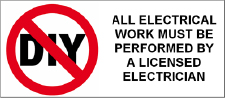
Do not attempt to repair a faulty electric blanket yourself as this is extremely dangerous. If you find any scorch marks, exposed wires, kinks, or damaged cords, stop using it immediately. You should not try to tape up damaged wires or fix a broken controller.
Most electric blankets cannot be repaired safely because the internal elements are integrated into the fabric. The only safe option is to destroy the damaged blanket so no one else picks it up and uses it. Then, replace it with a new one that meets current Australian safety standards. Look for the Regulatory Compliance Mark (RCM) or other safety symbols when you are purchasing a new one.
Are you unsure if your older, built-in electric heating elements in blankets are safe for another season? Have you noticed your blanket has areas that get much hotter than others when it is switched on? Do you have an older relative whose electric blanket might be a fire hazard? Taking the time for these simple checks keeps your family safe this winter. Stay warm and safe by ensuring all your electrical appliances are in good working order.
If you are unsure about any electric appliance in your home, it’s always best to ask a qualified professional. Contact ABC Electrical via our contact page at https://abcelectrical.net.au/contact-us or alternatively book an online request for a service call at https://abcelectrical.net.au/247-online-bookings/ to save 10% on our initial inspection fee.
Key Takeaways
- Check for damage: Inspect your electric blanket for wear, hotspots, or kinks before every winter.
- Replace aged blankets: Consider replacing your blanket every five years to ensure it has modern safety features.
- Safe usage: Use the blanket flat and avoid folding or placing heavy items on it while it is running.
- Turn it off: Warming the bed then turning the blanket off before sleep is the safest way to use it.
- Proper storage: Roll or loosely fold the blanket and avoid stacking heavy items on top during summer.
- Do not repair: Replace a damaged blanket immediately; do not try to fix internal wiring yourself.
- Book online: Save 10% on the initial inspection fee by booking your appliance service online with ABC Electrical.