Electrical Tips for Safely Working in Your Laundry
Thursday July 24 2025When working in your laundry area, it’s essential to prioritise electrical safety. This space often houses various appliances such as washing machines, dryers, and sometimes even refrigerators or sinks. Here are effective tips to ensure a safe laundry environment.
Understanding Your Laundry’s Electrical Setup
Before diving into safety procedures, become familiar with your laundry room’s electrical setup. Key areas to focus on include:
1. Circuit Breaker Panel
- Locate the circuit breaker panel and understand which circuits control the appliances in your laundry.
- Ensure that the breakers are clearly labelled for quick access in case of an emergency.
2. GFCI Outlets
- Ground Fault Circuit Interrupters (GFCI) are crucial in wet areas like laundry rooms.
- These outlets cut off electricity if they detect a ground fault, significantly reducing the risk of electrical shock.
General Safety Practices
Maintaining a tidy workspace is a pivotal step towards electrical safety. Here are some practices to adopt:
1. Keep the Area Dry
- Water and electricity are a dangerous combination. Ensure your laundry area is well-ventilated and dry.
- Wipe up any spills immediately and avoid operating appliances with wet hands.
2. Organize Electrical Cords
- Keep cords away from water sources and heat sources.
- Use cable ties to bundle cords neatly and avoid trip hazards, which can lead to injuries and accidents.
3. Inspect Appliances Regularly
- Look for any signs of wear and tear on cords, plugs, and appliances.
- If you notice frayed cords or damaged plugs, stop using the appliance and have it repaired or replaced immediately.
Safe Appliance Usage
When using laundry appliances, adhere to these safety tips:
1. Follow Manufacturer’s Guidelines
- Always read the user manuals for your appliances.
- Proper installation and usage according to the guidelines will help prevent accidents.
2. Don’t Overload Circuits
- Appliances like washing machines and dryers draw significant power.
- Avoid plugging multiple high-wattage devices into the same outlet to prevent circuit overloads.
Emergency Preparedness
Despite all precautions, emergencies can arise. Being prepared can make a significant difference:
1. Know Emergency Contacts
- Have the contact information for a licensed electrician handy in case of electrical issues.
- Keep your local emergency services numbers accessible.
2. Create a Plan
- Discuss and create an emergency plan with your household members on what to do in case of a fire or electrical failure.
- Make sure everyone knows how to turn off the power at the circuit breaker.
Child and Pet Safety
If you have children or pets, extra precautions are necessary:
1. Secure Power Outlets
- Use outlet covers to prevent children from inserting objects into outlets.
- Teach children about the dangers of electricity early on.
2. Keep Appliances Out of Reach
- Ensure that heavy appliances are positioned securely and that cords are not accessible to small children or pets.
Professional Assistance
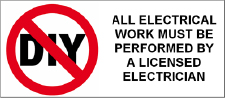
For any electrical installations or repairs, consider hiring a licensed electrician. Here’s why:
- Expertise: Electricians understand the local codes and regulations, ensuring your installations are safe and compliant.
- Safety: Professionals have the proper tools and training to handle electrical systems, reducing the risk of accidents.
Conclusion
Electrical safety in your laundry area should never be taken lightly. By understanding your electrical setup, following general safety practices, ensuring safe appliance usage, preparing for emergencies, taking special precautions for children and pets, and knowing when to call a professional, you can create a safe working environment.
You might like to contact us via our contact page or alternatively book an online request for a service call at this link to save 10% on our initial inspection fee.
What specific safety concerns do you have regarding electrical setups in your home?