How to Reset a Tripped Breaker: A Step-by-Step Guide
Friday January 2 2026A sudden power outage in part of your home can be frustrating, especially when everything else on the street seems to be working just fine. Before you panic or start Googling “emergency electrician near me,” there’s a good chance the issue is simply a tripped circuit breaker.
Circuit breakers are designed to protect your home from electrical overloads and potential fire hazards. When something draws too much power, the breaker trips and cuts the electricity. Resetting a tripped breaker is usually straightforward, safe (when done properly), and can save you time and stress.
In this step-by-step guide, we’ll walk you through how to reset a tripped breaker safely, explain why breakers trip in the first place, and help you understand when it’s time to call a licensed electrician instead of tackling it yourself.
What Is a Circuit Breaker and Why Does It Trip?
Your circuit breaker panel (also called a switchboard) distributes electricity throughout your home. Each breaker controls a specific circuit, such as lights, power points, kitchen appliances, or air conditioning.
A breaker trips when it detects an overloaded circuit from too many devices running at once, a short circuit caused by faulty wiring or damaged appliances, a ground fault where electricity escapes the circuit, or a faulty appliance drawing excessive power.
When a breaker trips, it’s doing its job by preventing overheating, damage, or even electrical fires.
Signs You Have a Tripped Breaker
Before heading to the switchboard, confirm that a breaker is likely the issue. Common signs include power being out in one area of your home rather than the entire house, lights or power points suddenly stopping, an appliance shutting off unexpectedly, or hearing a clicking sound from the switchboard.
If your entire home has lost power, it may be a supply issue rather than a tripped breaker.
Safety First: What You’ll Need Before Resetting
Resetting a breaker is usually safe, but a few precautions are essential. Make sure your hands and the floor are dry, wear closed-toe shoes, and use a torch or phone light if the area is poorly lit. Avoid touching exposed wires or damaged panels.
If you notice burning smells, scorch marks, buzzing sounds, or a damaged switchboard, stop immediately and contact a licensed electrician.
Step-by-Step Guide: How to Reset a Tripped Breaker
Step 1: Locate Your Switchboard
Your switchboard is commonly found in the garage, on an exterior wall, or in a laundry or utility area. Open the panel door to reveal rows of labeled breakers.
Step 2: Identify the Tripped Breaker
A tripped breaker will usually be in the middle position, not fully ON or OFF. It may also be labeled for a specific area or appliance. If you’re unsure, look for a breaker that doesn’t match the position of the others.
Step 3: Turn the Breaker Fully OFF
Before resetting, push the tripped breaker firmly to the OFF position. This step is important because it allows the breaker to reset properly.
Step 4: Reset the Breaker to ON
Switch the breaker back to the ON position. You should feel a firm click when it locks into place.
Step 5: Test Power in the Affected Area
Return to the room or appliance that lost power and check whether lights turn on, power points are working, and appliances operate normally.
If power is restored and stays on, the issue was likely a temporary overload.
What to Do If the Breaker Trips Again
If the breaker trips immediately or shortly after resetting, do not keep flipping it back on. This usually indicates a deeper issue.
Unplug appliances on that circuit, reset the breaker again, and plug appliances back in one at a time. If the breaker trips when a specific appliance is connected, that appliance may be faulty.
Common Reasons Breakers Keep Tripping
Repeated tripping is a warning sign. Common causes include too many high-power devices on one circuit, old or damaged wiring, faulty power points, aging switchboards, water exposure in electrical components, or appliances with internal faults.
Ignoring repeated trips can lead to serious safety risks.
When You Should Call a Licensed Electrician
You should contact a professional electrician if the breaker won’t reset at all, trips repeatedly, emits burning smells, shows scorch marks, feels hot, affects multiple circuits, or if your home has an older or outdated switchboard.
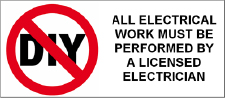
Electrical systems are not DIY-friendly beyond basic breaker resets. A licensed electrician can diagnose the issue safely and ensure your home remains compliant with electrical standards.
How to Prevent Future Breaker Trips
You can reduce the chances of future trips by spreading high-load appliances across different circuits, avoiding double adaptors and overloaded power boards, upgrading old switchboards, installing dedicated circuits for major appliances, and scheduling regular electrical inspections.
Modern electrical upgrades improve both safety and convenience.
Resetting a tripped breaker is a simple task that every homeowner should understand, but it’s also important to know your limits. If a breaker trips once, it may be a harmless overload. If it keeps happening, it’s your electrical system asking for professional attention.
If you’re experiencing frequent power issues, unsure about your switchboard’s condition, or need expert electrical support, don’t take chances.
Get in touch with a licensed electrician today:
https://abcelectrical.net.au/contact-us
Book an electrician online, 24/7:
https://abcelectrical.net.au/247-online-bookings/
A safe, reliable electrical system isn’t just about convenience, it’s about protecting your home and everyone in it.