POWER POINTS – Safety First: Best Practices for Installing Multiple Power Points
Tuesday September 2 2025When it comes to electrical installations, safety should always be the top priority. Installing multiple power points can significantly enhance the flexibility and functionality of your electrical system, but it also requires careful planning and adherence to safety standards. Below are essential best practices to follow when installing multiple power points.
Understanding Your Electrical Needs
Before beginning any installation, assess your electrical requirements.
- Evaluate Load Requirements: Understand the total wattage of devices that will be plugged in. This helps in determining the load capacity of the circuits you plan to use.
- Strategic Placement: Plan the placement of power points based on where you use your appliances — near kitchen bench spaces, entertainment areas, and workstations. Avoid having too many power points in a single area which can lead to overloaded circuits.
- Consider Future Needs: It’s advisable to install additional power points than currently needed. Future-proofing your home can save you time and money down the line.
Choosing the Right Power Points
Not all power points are created equal. Selecting the right type and style can improve safety and functionality.
- Quality and Standards: Only use power points that comply with Australian safety standards. Look for the AS/NZS certification label.
- Surge Protection: Consider power points with built-in surge protectors, particularly in areas prone to electrical surges. This helps protect your devices from damage.
- Weatherproof Options: If installing outdoors or in damp areas, opt for weatherproof power points to prevent moisture-related hazards.
Proper Installation Techniques
Even if you have all the right materials, improper installation can lead to dangerous situations. Follow these installation techniques:
- Turn Off the Power: Always switch off the power at the circuit breaker before starting any electrical work. This is a critical step that cannot be overemphasized.
- Follow Wiring Codes: Adhere to the Australian Wiring Rules (AS/NZS 3000) during installation. This includes correct wire types, sizes, and circuit configurations.
- Use Correct Tools: Ensure you have the appropriate tools and equipment, including insulated screwdrivers, voltage testers, and wire strippers to make accurate connections.
- Secure Connections: Make sure the wiring is tightly secured and that there are no exposed wires. Loose connections can lead to sparks, shorts, or fires.
- Label Circuits: After installation, label each circuit at the switchboard. This assists anyone using the system in the future to easily understand where each power point feeds.
Safety Features to Include
Incorporating specific safety features can dramatically reduce the risk associated with multiple power points.
- RCDs (Residual Current Devices): Installing RCDs can help protect against electrocution. They cut off the power supply if they detect an imbalance in the current flow.
- Arc Fault Detection: Consider power points that include arc fault detection technology, which can sense unsafe electrical arcs and interrupt the circuit before a fire can occur.
- Child Safety: If children are present in your home, consider power points with safety shutters to prevent accidental insertion of foreign objects.
Regular Maintenance and Checks
Just installing new power points isn’t enough; ongoing maintenance is crucial for safety.
- Regular Inspections: Conduct regular inspections of all power points to ensure integrity and proper functioning. Look for signs of wear, such as discoloration or cracking.
- Test RCDs Periodically: Test your RCDs at least once a month to ensure they are functioning correctly. This is a simple process that involves pressing the “test” button.
- Professional Assessments: Consider having a qualified electrician assess your installation periodically, especially if you frequently use high-draw appliances.
Engaging a Qualified Electrician
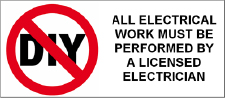
While DIY may be tempting, consulting a qualified electrician is the safest decision for any electrical work.
- Expertise: Electricians have the training to handle complex electrical tasks and ensure safety standards are met.
- Peace of Mind: Hiring a professional guarantees that the job is done correctly, reducing the risk of future hazards associated with incorrect installations.
The installation of multiple power points is a practical enhancement to modern homes but demands a commitment to safety. By assessing your electrical needs, utilizing quality components, employing correct installation techniques, incorporating safety features, and maintaining your system, you can enjoy the benefits while minimizing the hazards.
To ensure a professional installation, contact us via our contact page or book an online request for a service call at ABC Electrical to save 10% on your initial inspection fee.
What are your thoughts on the importance of engaging qualified trades for electrical installations? Have you had experiences that made you reconsider DIY methods?