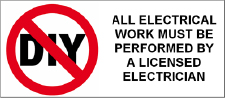
DIY – Understanding Electrical Codes: Why Compliance Is Crucial in DIY Projects
Tuesday September 9 2025When it comes to tackling DIY electrical projects, understanding electrical codes is essential. These codes are not just arbitrary rules; they exist to ensure safety, efficiency, and reliability in electrical installations and repairs. Compliance with electrical codes protects not only the individual undertaking the work but also anyone who may use or be near the electrical systems in question. Ignoring these regulations can lead to significant risks, including fires, electrical shock, and even legal liabilities.
What Are Electrical Codes?
Electrical codes are a set of regulations that govern the electrical installations and systems in residential, commercial, and industrial buildings. In Australia, the Australian/New Zealand Wiring Rules (AS/NZS 3000) provide the foundation for these codes. They set out the minimum requirements for safe electrical installations, focusing on factors such as:
- Electrical safety
- Equipment performance
- Energy efficiency
- Fire hazards
These standards are put in place by various authorities to protect the public and ensure a consistent level of safety across all electrical systems.
Why is Compliance Important?
Safety
The primary concern in electrical work is safety. Non-compliance with electrical codes can lead to unsafe installations that pose serious risks:
- Electrical Shocks: Poorly installed wiring can lead to electric shocks, endangering anyone who interacts with the system.
- Fire Hazards: Outdated or improper wiring can generate heat, sparking fires that can destroy homes and even cost lives.
- Equipment Failure: Non-compliance may result in short circuits and equipment failures, leading to costly repairs and replacements.
Legal Obligations
Failure to comply with electrical codes can have legal consequences. Local councils and governmental authorities have strict regulations in place, and non-compliance often leads to fines or legal repercussions. Moreover, if a DIY project leads to damage or injury due to code violations, the individual responsible can be held liable.
Insurance Issues
Homeowners’ insurance policies often require compliance with local codes. If a DIY project goes wrong and it is discovered that electrical codes were not followed, insurance companies may refuse to cover the damages or injuries that occur, leaving you to bear the costs.
Key Areas of Electrical Codes
Understanding key areas of electrical codes can help you better prepare for your DIY project. Here are some critical components:
Wiring Practices
- Use the correct gauge of wire for different electrical loads.
- Ensure all wiring is properly insulated and secured to prevent accidental contact.
Grounding and Bonding
- All electrical installations must be properly grounded to prevent electrical shocks.
- Bonding ensures that metal parts are electrically connected to avoid a build-up of electrical charge.
Circuit Protection
- Install circuit breakers or fuses to protect against overloads and short circuits.
- Follow guidelines for the number of outlets and circuits per area to avoid overloading.
Location-Specific Requirements
- Outdoor and wet area installations must adhere to stricter codes to prevent hazards associated with moisture exposure.
Steps to Ensure Compliance in DIY Projects
- Research Applicable Codes: Understand the electrical codes applicable to your area. Many local councils provide resources and guidelines.
- Plan Your Project: Ensure every aspect of your DIY project adheres to the electrical codes you’ve researched. This might include planning the layout of wires, placement of outlets, and circuit designs.
- Obtain Necessary Permits: Some jurisdictions require permits for electrical work. Always check whether you need to apply for permits before starting your project.
- Consult an Expert: If you’re unsure about any aspect of your project, consider consulting a licensed electrician. They can provide invaluable insights and ensure everything aligns with local codes.
- Double-Check Your Work: After completing the installation, review your work against electrical codes to confirm compliance before powering the system on.
Common DIY Electrical Mistakes to Avoid
Understanding common pitfalls can also aid you in undertaking your DIY projects wisely. Here are a few misconceptions to beware of:
- Assuming All Wiring is the Same: Different wires serve different purposes. Using a wire that can’t handle the load can result in overheating and potential failure.
- Ignoring Local Amendments: Local councils may have specific amendments to the national codes that you must follow. Always check your local regulations.
- Overestimating Your Skills: Just because a task seems simple doesn’t mean it is. If you feel uncertain, it is vital to reach out for professional assistance to avoid hazards.
Understanding and adhering to electrical codes is crucial in any DIY electrical project. From ensuring safety to avoiding potential legal and insurance ramifications, compliance is essential in protecting yourself and others.
If you’re planning an electrical project but are unsure about the codes, you might consider contacting us via our contact page or alternatively booking an online request for a service call at this link to save 10% on our initial inspection fee.