The Basics of Circuit Breakers: When They Trip and How to Restore Power
Tuesday May 26 2026When power cuts out in your home, it is frustrating. Your circuit breaker is a safety device designed to protect your electrical system and appliances by shutting off power when it detects a problem. Acting quickly can help you regain control and identify the source of the fault. If you cannot restore power by resetting the breaker, or if it trips repeatedly, you need to stop what you are doing and contact a qualified electrician to inspect your system.
Your switchboard is the central nervous system of your home’s electricity. Each circuit has its own breaker. By understanding why they trip and knowing the correct steps to take, you can resolve minor issues safely. Here are the common reasons your circuit breaker may trip and a step-by-step guide to get your power flowing again.
What Your Circuit Breaker Does
Your circuit breaker continuously monitors the flow of electricity to a specific circuit in your home. It functions like a fast-acting gatekeeper. When the electrical current exceeds the safe operating limit for that specific circuit, the breaker automatically flips to the ‘off’ position. This action disconnects the power supply instantly, preventing your home’s wiring from overheating, which can cause electrical fires, and protecting your expensive appliances from damage.
Common Reasons Your Circuit Breaker Trips
A tripped circuit breaker is often a sign of a temporary issue you can resolve, but it can also indicate a more serious underlying problem. When a breaker trips, it is important to understand why to prevent it from happening again. Most trips fall into three main categories.
Overloading the Circuit
This is the most common and easily fixed reason for a trip.
Overloading occurs when you attempt to draw more electricity from a circuit than it is designed to safely handle. Imagine several high-power appliances, like a electric heater, a vacuum cleaner, and a toaster, plugged into and operating from the same power points simultaneously. The combined current draw will trip the breaker to prevent overheating the wires behind your walls.
Short Circuits
A short circuit is a more severe fault condition.
It happens when a ‘hot’ (active) wire comes into direct, unintended contact with a neutral or earth wire. This can be caused by damaged wiring within your walls or a fault inside an appliance. A short circuit allows an enormous, immediate burst of current to flow, and the breaker trips instantly and violently to prevent catastrophic damage. You will often hear a distinct, loud ‘pop’ when this happens.
Earth Faults
These faults can be particularly tricky to identify.
An earth fault, also known as a ground fault, is a specific type of short circuit where electricity flows to the earth wire or an grounded surface (like moisture in an appliance). These faults can occur due to water entering a power point, damaged appliance insulation, or poor connections. Earth leakage can be dangerous, and modern switchboards use Safety Switches (RCDs) specifically designed to detect these conditions and trip the main power to your home.
How to Safely Restore Power
Restoring power after a single trip can usually be done safely. The key is to act systematically.
- 1. Diagnose and reduce the load: Turn off or unplug any appliances that were in use on the affected circuit. This prevents an immediate re-overload when you reset the power.
- 2. Locate your switchboard: Go to your switchboard or consumer unit, which is typically located outside near your electricity meter or inside a utility cupboard.
- 3. Find the tripped breaker: Look for the bank of individual circuit switches. One of these switches will be positioned differently from the others, either clearly at ‘off’ or stuck in a middle ‘tripped’ position.
- 4. Reset the breaker firmly: To reset the breaker, you must first move it completely to the ‘off’ position and then firmly to the ‘on’ position. A solid click confirms the connection has been made.
- 5. Test the circuit: Return to your home and turn the appliances back on, one at a time. This helps you confirm if a specific device caused the issue.
When a Reset Fails
If you reset the breaker and it trips again immediately or after only a few seconds, do not try to reset it again. Repeated tripping is a clear indication of a persistent fault, either a short circuit or a faulty appliance. Continuously forcing a reset could cause serious damage to your wiring. Stop using the circuit and contact a professional immediately.
The Critical Role of an Electrician
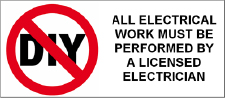
Electrical faults like short circuits, damaged wiring, or recurring tripping problems are serious hazards that require a qualified electrician. You should not attempt to repair hidden wiring or complex faults yourself. Electricians have the correct tools and knowledge to test your system, isolate the exact location of a fault, and ensure the repair meets Australian standards. A safety check on your switchboard can provide peace of mind and identify outdated components that need replacement.
When to Call an Appliance Repair Specialist
If you have confirmed that a fault is linked to a single, portable appliance, an appliance repair specialist is often the best person to help. If your dishwasher, oven, fridge, or dryer is causing a trip, an appliance repair technician can diagnose the internal fault and replace the required component. They carry specialized diagnostic equipment and stock frequently used spare parts for common repairs. This can be more cost-effective than replacing a major appliance.
We provide appliance repair services in and around Brisbane by qualified electricians. If an appliance repair cannot be completed during the initial inspection, customers will be provided with a quote by the technician. Our appliance service vans are stocked with the most frequently required spare parts, but sometimes spare parts need to be ordered. Booking a service online allows for 10% off the initial inspection fee.
You might like to contact us via our contact page or alternatively book an online request for a service call to save 10% on our initial inspection fee.