Overheating Outlets: Signs Your Electrical System Needs Immediate Attention
Tuesday June 2 2026An overheating power point is a serious fire hazard that requires urgent professional intervention. If you notice a wall outlet feels hot to the touch, you must unplug all connected appliances immediately and isolate the circuit at your switchboard.
Our team at ABC Electrical regularly encounters damaged wiring caused by overloaded circuits and faulty connections across Brisbane homes. Ignoring the warning signs of a failing electrical outlet can lead to permanent appliance damage or a house fire.
Warning Signs of a Dangerous Power Point
You can spot a failing electrical connection before it causes major damage by checking your fittings regularly.
Discolouration and Scorching
Black or brown burn marks on the plastic cover reveal extreme heat build-up.
Discolouration means the internal wires are melting and sparking behind your plasterboard.
Strange Odours
A distinct smell of fish or burning plastic near your wall fittings indicates a chemical reaction from overheating insulation.
You should never smell your electrical system during standard operation.
Sizzling or Buzzing Noises
Loose terminal screws create an electrical arc where electricity jumps across a gap.
An audible hum or crackle when you turn on a switch means electricity is escaping the proper pathway.
Common Causes of Electrical Overheating
Understanding why your fittings fail helps you prevent future hazards in your home.
Overloaded Circuits
Plugging too many high-power appliances into a single double power point strains your home wiring.
Your dishwasher, oven, and clothes dryer draw significant electrical currents.
Running multiple heavy-load appliances simultaneously on the same circuit causes wires to heat up rapidly.
Loose Internal Wiring
Electrical connections naturally expand and contract when electricity flows through them.
This physical movement loosens terminal screws over several years of use.
Loose wires create high electrical resistance which generates intense localized heat inside the wall cavity.
Corroded or Outdated Components
Old switch plates degrade over time due to humidity and wear.
Brisbane’s coastal climate can accelerate the oxidisation of copper wires.
Corroded metal cannot conduct electricity properly and creates a dangerous heat trap.
Action Steps to Take Straight Away
You must act quickly when you suspect a power point is failing to protect your property.
- Turn off the power switch at the wall.
- Unplug the appliance cord safely without touching any exposed metal.
- Go to your main switchboard and flip the safety switch or circuit breaker to the off position.
- Do not use any other power points connected to that specific circuit until an inspection occurs.
Did you know that a standard safety switch might not trip if a loose wire is slowly generating heat without a direct short circuit?
You cannot rely solely on your fuse box to catch every single localized heating issue.
Professional Appliance and Electrical Testing
Our licensed electricians inspect your entire power circuit to identify the root cause of the failure.
We use specialized thermal tools to find hidden hot spots inside your walls.
Our service vans carry a wide range of replacement power points, switches, and fuses to complete most repairs on the spot.
If our technician discovers a faulty internal component inside your oven, cooktop, or dryer during the inspection, we will provide a comprehensive repair quote.
Key Takeaways
- Isolate the power immediately if a power point feels hot or smells unusual.
- Look for brown scorch marks, melted plastic, or buzzing sounds around your wall fixtures.
- Never plug multiple high-draw appliances into a single power point via double adaptors.
- Loose or corroded wiring behind walls creates high resistance and dangerous heat build-up.
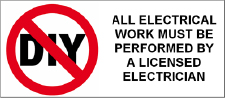
- Always hire a licensed electrician to replace damaged electrical fittings safely.
You can contact us via our contact page at https://abcelectrical.net.au/contact-us to arrange a safety inspection. Alternatively, you can book an online request for a service call at https://abcelectrical.net.au/247-online-bookings/ to save 10% on our initial inspection fee.