Winter Electrical Safety: Common Issues to Watch Out for as Temperatures Drop
Tuesday May 19 2026Brisbane winters bring a noticeable drop in temperature, forcing households to increase their reliance on heating devices and heavy kitchen appliances. This sudden shift in power consumption creates distinct electrical vulnerabilities that can compromise your home safety and cause sudden system breakdowns. You can prevent most winter electrical hazards and appliance failures by recognising early warning signs and managing your household power loads correctly.
Our service data shows a sharp increase in Brisbane appliance repair requests during the colder months. Families spend more time indoors cooking hot meals, washing heavy clothes, and running space heaters simultaneously. Overloading your existing power circuits during winter directly causes tripped circuit breakers, electrical fires, and permanent appliance damage.
Heavy Heating Appliance Hazards
Space heaters keep you warm but demand massive amounts of electrical current to function. Many older Brisbane properties feature electrical wiring designed for lower power eras. Plugging multiple high-wattage heating appliances into a single power point will overload the circuit and trip your safety switch.
Did you know that a standard portable heater can draw up to 2,400 watts of power? This single device maximises the safe capacity of a standard ten-amp household outlet. Never use double adapters or budget power boards to run portable heaters alongside other appliances.
- Place heaters at least one metre away from curtains, bedding, and furniture.
- Plug heating units directly into a dedicated wall socket.
- Turn off all portable heating devices before you leave the room or go to sleep.
Kitchen Appliances Under Winter Strain
Your kitchen experiences a major workload shift as temperatures fall. Ovens and cooktops operate for longer periods to prepare roasted meals and hot soups. The increased thermal expansion inside oven heating elements during winter often triggers sudden electrical short circuits.
Older baking units might work fine during mild autumn days but fail under prolonged winter use. Our technicians frequently discover perished door seals that force ovens to draw continuous power to maintain heat. Faulty oven seals waste electrical energy and overheat the internal wiring controls.
Are you noticing a strange smell when your oven heats up? Accumulated grease reacts to extended heating cycles and poses a direct fire risk. Clean your cooking appliances thoroughly before the peak winter season to remove flammable fat build-ups.
- Inspect the rubber seals on your oven door for cracks or gaps.
- Listen for unusual clicking sounds from your cooktop switches.
- Ensure your microwave ventilation paths remain clear of dust and wall obstructions.
Clothes Dryers and Laundry Risks
Winter weather makes line-drying clothes difficult across Brisbane, forcing households to use clothes dryers heavily. Clothes dryers combine high heat, moisture, and fast movement, creating a volatile environment if neglected. Lint accumulation inside clothes dryers causes the majority of laundry room electrical fires during winter.
Every load of laundry sheds tiny fabric fibres that escape the main filter screen. This flammable lint settles on the hot heating elements located at the rear of the machine. Clean your dryer lint filter after every single cycle to prevent airflow restrictions and overheating.
- Vacuum out the internal exhaust ducting every six months.
- Avoid leaving your clothes dryer operating while your house is completely empty.
- Keep the laundry room window open slightly to reduce moisture build-up around electrical outlets.
Fridge and Freezer Thermostat Adjustments
Your refrigerator must work harder when room temperatures fluctuate wildly between cold Brisbane nights and warm sunny afternoons. Many people forget to adjust their cooling settings when the seasons change. Leaving your fridge on summer settings during winter causes the compressor to over-cool and waste power.
Cold air inside the house alters the pressure dynamics of your fridge door seals. Cracked seals allow warm kitchen air to seep inside, creating heavy frost accumulation on internal fans. Heavy frost build-up forces the fridge motor to run continuously until it burns out.
Have you checked the back of your refrigerator lately? Dust layers on the cooling coils trap heat and force the appliance to consume extra electricity. Pull your fridge out from the wall and vacuum the rear coils to ensure proper heat dissipation.
Overloaded Power Boards and Extension Leads
Using extension cords as permanent wiring solutions during winter creates severe electrical risks. People often run leads under rugs or across doorways to reach portable blankets and heaters. Stepping on covered electrical cords crushes the internal copper strands and creates localized heat spots.
Piggybacking power boards creates a daisy-chain effect that bypasses standard household safety measures. Budget power boards lack inbuilt circuit breakers to cut power during an overload event. Invest in high-quality boards with dedicated overload protection switches for your winter entertainment areas.
- Uncoil extension leads completely before use to prevent heat entrapment.
- Discard any cords showing exposed wire, fraying, or electrical tape repairs.
- Keep electrical leads away from high-traffic zones to prevent physical trip damage.
- The Danger of Faulty Safety Switches
Your switchboard acts as the central defence system against electrical shocks and structural fires. Winter loads test the true integrity of your circuit breakers and Residual Current Devices. A faulty safety switch will fail to cut the electricity supply during a major appliance short circuit.
How often do you test your home safety switches manually? You should press the test button on your switchboard every three months to verify the mechanical mechanism works. A safety switch that stays stuck during a test requires immediate replacement by a licensed electrician.
- Look for scorch marks or discolouration on the outside of your switchboard panel.
- Listen for buzzing or sizzling noises coming from your household fuses.
- Note how often your power cuts out when running everyday winter appliances.
- Professional Diagnostic Inspections
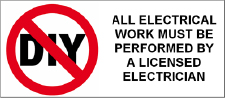
Fixing complex electrical faults yourself is illegal and highly dangerous across Queensland. Small appliance issues usually point to wider electrical distribution problems inside your home walls. Our qualified electricians carry specialised testing gear to locate hidden wiring faults before they cause disasters.
Our service vans stay fully stocked with the most common factory spare parts to resolve issues quickly. If our technician cannot complete your repair during the initial inspection, we provide a detailed written quote for the required components. Booking your appliance inspection online secures an immediate discount on your service fee.
Are your household appliances ready to handle the upcoming winter temperature drop?
You can contact us via our contact page at https://abcelectrical.net.au/contact-us to discuss your appliance concerns. Alternatively, book an online request for a service call at https://abcelectrical.net.au/247-online-bookings/ to save 10% on our initial inspection fee.