The Basics of Circuit Breakers: When They Trip and How to Restore Power
Thursday November 27 2025Circuit breakers are essential safety devices that protect your home from electrical overloads and short circuits. Understanding how they work and what to do when they trip can save you from the hassle of power outages and potential electrical hazards.
What is a Circuit Breaker?
A circuit breaker is an automatic electrical switch designed to protect an electrical circuit from damage caused by excess current from an overload or a short circuit. It functions by interrupting the flow of electricity when it detects a fault or abnormal condition.
There are two main types of circuit breakers:
- Thermal Circuit Breakers: These break the circuit when the temperature rises beyond a certain point due to excessive current. They work based on the bimetallic strip principle, which bends and trips the breaker when heated.
- Magnetic Circuit Breakers: These respond to sudden spikes in current and trip the circuit immediately. They use an electromagnet that becomes strong enough to pull a lever and break the circuit under high current conditions.
Why Do Circuit Breakers Trip?
Circuit breakers can trip for various reasons, but some common causes include:
- Overload: This occurs when too many devices draw power from a single circuit simultaneously, exceeding the circuit’s capacity.
- Short Circuit: A short circuit happens when a hot wire touches a neutral wire or a ground wire. This creates a low-resistance path, allowing too much current to flow.
- Ground Fault: This occurs when a hot wire touches a grounded surface, which can be dangerous as it may cause electric shock.
- Aging Equipment: Older appliances or wiring may not function efficiently, leading to increased resistance and potential overloads.
Signs that Your Circuit Breaker Has Tripped
If your circuit breaker has tripped, you may notice the following signs:
- A complete loss of power in certain areas or rooms of your home.
- Flickering lights or devices that turn on and off unexpectedly.
- Electrical appliances that fail to operate.
How to Restore Power After a Breaker Trips
If you find that your circuit breaker has tripped, follow these steps to restore power safely:
1. Identify the Problem:
- Identify which circuit breaker has tripped. Most circuit breaker panels have a visual indicator showing which breaker has been turned off.
2. Investigate the Cause:
- Inspect the area powered by the tripped breaker. Check for any overloaded outlets, malfunctioning devices, or visible damage to wiring.
- Unplug any appliances or devices that may have caused the trip.
3. Reset the Breaker:
- Move the tripped breaker switch fully to the “off” position first.
- Then, switch it back to the “on” position. You should hear a click when it resets.
4. Check for Recurrences:
- If the breaker immediately trips again, do not try to reset it repeatedly. This could indicate a more significant electrical problem needing professional attention.
Tips to Prevent Circuit Breaker Trips
- Distribute Appliances Across Circuits: Avoid plugging too many high-wattage devices into a single circuit. Spread appliances across multiple circuits to balance the load.
- Use Circuit Breakers According to Specifications: Ensure that the circuit breakers used in your home are rated appropriately for the circuits they protect.
- Upgrade Old Wiring: If your home has old wiring, it may be time for an upgrade to prevent overloads and ensure safety.
- Regular Inspections: Routinely check your electrical system, especially before using heavy appliances, to ensure everything is functioning properly.
When to Call a Professional
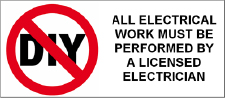
If you frequently experience tripped breakers or if they trip without an apparent reason, it’s crucial to contact a licensed electrician. They can assess your wiring, appliances, and the overall electrical system to ensure safety and compliance with current regulations.
For assistance, you can contact us via our contact page or alternatively, book an online request for a service call at this link to save 10% on our initial inspection fee.
Would you like to learn more about electrical safety or perhaps explore other topics related to home electrical systems?