Common Electrical Hazards: Recognizing Signs of Trouble in Your Home
Thursday December 18 2025Electrical hazards can pose serious risks to your safety and property. Understanding the common signs of electrical trouble can help you maintain a safe living environment and prevent accidents before they occur.
Understanding Electrical Hazards
Electrical hazards refer to any potential risks or dangers related to electricity. They can arise from faulty wiring, poor maintenance, or improper use of electrical appliances. Here are some common electrical hazards to be aware of in your home:
- Overloaded Circuits: When too many devices are connected to a single outlet or circuit, it can lead to overheating and electrical fires.
- Faulty Wiring: Damaged or outdated wiring can cause short circuits or electrical fires. Regular inspections of your home’s wiring can help identify issues before they escalate.
- Exposed Wiring: Wires that are frayed or damaged can create a shock hazard. It’s crucial to replace or repair any exposed wiring immediately.
- Water and Electricity: Using electrical appliances near water can lead to electrocution. Keep devices away from sinks, bathtubs, and other wet areas.
Signs of Electrical Trouble
Recognising the early warning signs of electrical issues can prevent accidents and ensure your home remains safe:
- Flickering or Dimming Lights: If your lights flicker or dim when you turn on appliances, it may indicate an overloaded circuit or faulty wiring.
- Burning Smell: A burning smell coming from outlets or appliances can signal an overloaded circuit or electrical malfunction. If you notice this, disconnect the power immediately and contact a qualified electrician.
- Tripped Circuit Breakers: If your circuit breakers frequently trip, it may be a sign of an overloaded circuit or a faulty appliance.
- Buzzing Sounds: Any buzzing or humming sounds from outlets or switches should be investigated. This could indicate a problem with the wiring or the electrical device.
- Hot Outlets or Switches: Outlets or switches that feel warm to the touch may indicate an electrical usage issue or an overloaded circuit.
Safety Tips to Reduce Electrical Hazards
Implementing safety precautions can significantly reduce the risk of electrical hazards in your home:
- Use Surge Protectors: Surge protectors can help prevent damage from voltage spikes. Always use a surge protector for computers and other valuable electronics.
- Avoid Overloading Circuits: Be aware of how many devices you are plugging into a single outlet and avoid using multiple high-wattage devices simultaneously.
- Regular Maintenance: Schedule regular inspections of your home’s electrical system with a qualified electrician to ensure everything is up to code.
- Educate Your Family: Ensure everyone in your household knows basic electrical safety tips, including avoiding the use of appliances with wet hands and never using extension cords in place of permanent wiring.
- Invest in GFCIs: Ground Fault Circuit Interrupters (GFCIs) are designed for areas where electricity and moisture are present. Installing GFCIs in kitchens and bathrooms can help prevent electrocution.
When to Call a Professional
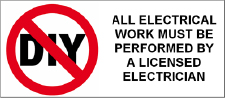
If you notice any of the signs mentioned or feel uncertain about your home’s electrical system, it’s best to consult a licensed electrician. Some situations warrant immediate attention:
- Repeated Circuit Breaker Trips: Frequent circuit breaker trips can indicate an underlying problem that a professional should diagnose.
- Altered Appliances: If adding a new appliance causes electrical problems, have a professional assess your system’s capacity.
- Smoke or Fire: In the event of smoke or flames, evacuate the area and contact emergency services immediately.
Awareness of common electrical hazards and signs of trouble in your home is essential for maintaining safety. Regular maintenance and immediate attention to electrical issues can prevent accidents and ensure your home remains a secure space.
If you require assistance or would like to inspect your home’s electrical system, consider contacting us via our contact page at ABC Electrical or book an online service request at Online Booking to save 10% on the initial inspection fee.
What have you done in your home to enhance electrical safety? Have you had any experiences with electrical issues that you’d like to discuss?