Power Surges and What to Do: A Homeowner’s Guide to Protecting Your Electronics
Tuesday December 16 2025Power surges are sudden increases in electrical voltage that can occur due to various reasons, such as lightning strikes, power outages, or faulty wiring. These surges can cause significant damage to your electronic devices, making it essential for homeowners to understand how to protect their valuables. In this guide, we will explore the causes of power surges, their potential consequences, and strategies to safeguard your electronics effectively.
Understanding Power Surges
Power surges can be brief, lasting only a fraction of a second, but they can have lasting effects on your electronics. Here’s a deeper look into some common causes:
- Lightning Strikes: One of the most severe causes of surges, a lightning strike can send hundreds of thousands of volts into your electrical system.
- Utility Company Issues: Problems in the power grid can lead to fluctuations, such as when utility companies switch power lines.
- Electrical Overloads: Hughes demand on circuits, especially when multiple high-wattage devices run simultaneously, can lead to surges.
- Faulty Wiring: Deteriorating or improperly installed wiring in your home can create dangerous surge conditions.
- Surrounding Appliances: Turning on or off large appliances, such as refrigerators or air conditioners, can cause a temporary spike in voltage.
Consequences of Power Surges
The impact of a power surge on your electronics can vary widely based on its magnitude. Some potential consequences include:
- Equipment Damage: Sensitive electronics, such as computers, televisions, and other devices, can sustain permanent damage from a surge.
- Data Loss: Surges can wreck hard drives and corrupt valuable data.
- Shortened Lifespan: Repeated surges can lead to gradual wear and tear, reducing the longevity of your appliances.
- Fire Hazards: Severe surges can pose a fire risk, particularly if wires overheat or devices malfunction.
Preventive Measures for Protecting Your Electronics
1.Use Surge Protectors
Investing in quality surge protectors is one of the most effective ways to shield your devices from power surges. All devices should ideally be plugged into surge protectors rather than standard power strips.
- Look for devices with a joule rating that reflects their ability to absorb surge energy.
- Ensure they have features like automatic shut-off and indicator lights to signal protection status.
2.Unplug Devices During Storms
If a storm is approaching or there’s a risk of power outages, unplugging your valuable devices can prevent damage. This simple action ensures they are disconnected from power sources during potential surge events.
3.Install a Whole-House Surge Protector
For enhanced protection, consider installing a whole-house surge protector. This device connects to your electrical panel and prevents surges from entering your home system, providing an added layer of safety.
4.Maintain Your Electrical System
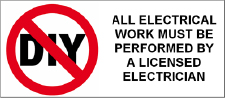
Routine maintenance of your electrical system is essential. Have a licensed electrician:
- Inspect wiring, outlets, and circuit breakers.
- Look for signs of wear or potential hazards.
- Upgrade outdated systems to ensure they can handle modern electrical demands.
5.Monitor Power Levels
Using voltage monitoring devices can help track the power levels in your home. These devices can alert you to unusual fluctuations, allowing you to take preventative action before a surge occurs.
6.Consider Homeowners Insurance
Consult your insurance provider about coverage for electronics and appliances against power surges. Ensure you understand the terms and conditions, including limits and deductibles.
What to Do After a Power Surge
If you suspect that a power surge has occurred in your home, there are several steps to follow:
- Check Your Devices: Evaluate your electronics for any signs of malfunction or damage. If any device fails to power on or operates erratically, further inspection may be required.
- Reset Circuit Breakers: After a surge, your circuit breakers may trip. Reset them carefully while ensuring there are no damaged devices connected.
- Document Damage: Keep a record of affected devices, including photos. This information is crucial for insurance claims.
- Get Professional Help: If you notice extensive damage or have concerns about your electrical system, contact a licensed electrician for a full evaluation.
Understanding power surges and how to protect your electronics can save you from costly repairs and replacements. Keeping your devices safe is a combination of preventive measures and awareness of your home’s electrical environment.
Protecting your electronics from power surges doesn’t have to be complicated. Taking simple steps, such as investing in surge protectors and maintaining your electrical system, can make a significant difference.
For assistance with your electrical needs or to learn more about surge protection solutions, please feel free to contact us at Abc Electrical or book an online request for a service call at 10% off on initial inspection.