Dim Lights: Causes, Quick Fixes, and When to Seek Help
Thursday December 11 2025Dim lights can be an annoying problem in any home or business setting. Not only do they create an unwelcoming atmosphere, but they can also indicate underlying electrical issues that require attention. In this blog post, we’ll explore the potential causes of dim lights, offer quick fixes, and point out when it’s time to call in the professionals.
Understanding the Causes of Dim Lights
1.Overloaded Circuits
- One of the most common causes of dim lights is overloaded circuits. When too many devices are plugged into a single circuit, it can lead to insufficient power being distributed, causing your lights to dim.
- This frequently happens in older homes where the electrical system may not be equipped to handle modern energy demands.
2.Voltage Fluctuations
- Voltage drops can occur when large appliances (like refrigerators, air conditioners, or heaters) start up, pulling a heavy load of power from the electrical system.
- If you notice your lights dimming only when using certain appliances, it’s a sign that the system may not be handling the voltage properly.
3.Bad Light Bulbs
- Sometimes, the issue can be as simple as a failing light bulb. A bulb starting to burn out may flicker or dim before going completely out. It’s a good idea to check any bulbs that are behaving unusually.
4.Loose Connections
- Loose or corroded wiring connections can prevent an adequate flow of electricity, leading to dim lights. This issue can also pose safety risks.
- Regularly inspecting switches, outlets, and junction boxes can help identify any loose connections.
5.Dimming Switches
- If you have installed dimmer switches, they may not be compatible with the type of light bulbs used. Ensure your dimmer switch is appropriate for the bulbs you are using, as incompatible dimmers can lead to erratic lighting.
Quick Fixes for Dim Lights
1.Redistribute Your Load
- Begin by evaluating your usage of electrical devices. Consider moving some devices to a different circuit to alleviate overload. If too many appliances are plugged into one outlet, redistribute the load across multiple outlets.
2.Inspect and Replace Light Bulbs
- Check the bulbs in your fixtures. If they are old or burnt out, replace them with new ones.
3.Tighten Connections
- For those comfortable with basic electrical tasks, turn off the power and inspect light fixtures, outlets, and switches for loose connections. Tightening these connections may resolve the issue.
4.Test Your Voltage
- If you have a multimeter, you can test the voltage in your outlets. Normal household voltage should be around 240 volts. If readings are significantly lower, it may indicate a problem requiring professional assistance.
5.Check Your Dimmer Switch
- If your light is controlled by a dimmer switch, make sure it is functioning correctly. Consider replacing it with a compatible model if issues persist.
When to Seek Professional Help
While some dimming issues can be resolved with simple fixes, it’s crucial to know when to call in the professionals. Here are a few signs that indicate it’s time to seek help from a qualified electrician:
1.Persistent Problems
- If your lights continue to dim after trying the quick fixes mentioned above, it’s an indication of a larger issue within your electrical system.
2.Frequent Circuit Breaker Trips
- If your circuit breaker frequently trips or you hear buzzing sounds from the switchboard or outlets, do not ignore these signs. They could point to serious electrical problems and require immediate inspection.
3.Burning Smells or Discoloration
- Noticeable burning smells, charred outlets, or discolored wires indicate a fire hazard. Seek help immediately if you encounter these issues.
4.Older Electrical System
- If your home still relies on older wiring (such as knob-and-tube or aluminum wiring), it’s advisable to have a professional inspect your entire electrical system for safety.
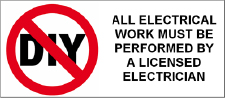
5.Uncertain About DIY
- If you are unsure or uncomfortable with any electrical work, it is always safest to cultivate peace of mind by hiring a professional.
Dim lights shouldn’t be taken lightly. They can signify minor problems easily fixed over the weekend, or they could indicate deeper, more hazardous issues requiring professional help.
Feeling uncertain about your electrical setup? Don’t hesitate to reach out! You might like to contact us via our contact page at ABC Electrical Contact Us or book an online request for a service call at Book Online to save 10% on our initial inspection fee.
What experiences have you had with dim lights in your home? Have you ever had to call an electrician for a problem, and what was the outcome?