DIY Electrical Safety: Top Tips to Protect Yourself and Your Home
Thursday September 11 2025Electrical safety is paramount for every homeowner, especially when conducting DIY projects. Electrical hazards can lead to severe injuries or devastating property damage if not handled properly. By following some straightforward tips and best practices, you can protect yourself and your home while completing electrical projects. Here’s a comprehensive guide to DIY electrical safety.
Understand the Basics of Electricity
Before diving into any DIY electrical project, it is crucial to grasp some fundamental concepts:
- Current (Amperes): The flow of electricity measured in amperes. Higher amperage means more potential danger.
- Voltage (Volts): The pressure that drives electricity through a circuit. Understanding voltage ratings will help you handle wiring and devices safely.
- Resistance (Ohms): The opposition to the flow of current. Knowing about resistance can prevent overload situations.
Understanding these concepts will provide a solid foundation for safe DIY projects.
Safety Gear is Essential
Investing in proper safety gear is vital for working with electricity. Protect yourself by wearing:
- Safety glasses: Protect your eyes from sparks or debris.
- Rubber gloves: Insulate yourself against electrical shock.
- Non-conductive tools: Ensure your tools are insulated and appropriate for electrical work.
These tools will help keep you safe while you work.
Turn Off the Power
Before beginning any electrical project, always ensure the power is turned off at the main circuit breaker or fuse box. Use a voltage tester to confirm that the circuit is not live.
This simple step can prevent electric shocks and accidents.
Follow Proper Wiring Techniques
When working with wiring, adhere to the following guidelines:
- Identify wires clearly: Use colour-coded or labelled wires to prevent confusion.
- Avoid overloading circuits: Ensure the total amperage does not exceed the circuit’s capacity.
- Secure connections: Use wire nuts or electrical tape to secure connections. Loose or exposed wires can pose a serious hazard.
These techniques will promote safety and efficiency during your projects.
Use the Right Tools and Materials
Choosing the right tools and materials for your electrical DIY projects is crucial. Consider the following:
- Wire gauge: Choose a wire gauge suitable for the application. For example, 14-gauge wire is typically used for 15-amp circuits, while a 12-gauge wire is used for 20-amp circuits.
- Circuit testers: Invest in a decent circuit tester or multimeter to check voltage levels.
- Quality fixtures and fittings: Select reputable brands to ensure reliability and safety in your DIY projects.
Using proper tools and materials will help you create safe and lasting electrical installations.
Familiarise Yourself with Local Electrical Codes
Your region may have specific electrical codes and regulations that you must follow. Familiarising yourself with these codes will ensure:
- Compliance with safety standards
- Reduced risk of accidents and fire hazards
- Consistency in workmanship
Contact your local council or check online to understand the relevant electrical codes for your area.
Keep Young Children Safe
If you have children at home, you must take extra precautions:
- Use outlet covers: Prevent children from inserting objects into electrical outlets by using safety covers.
- Educate your children: Teach older kids about electrical safety and the dangers of playing with electricity.
- Supervise closely: Always monitor children, especially during DIY projects.
Implementing safety measures helps create a secure environment for your family.
Regularly Inspect Your Electrical System
Conducting regular inspections of your home’s electrical system can identify potential problems early on. Look for:
- Wear and tear: Check for frayed wires, cracked outlets, or loose connections.
- Outdated components: Consider upgrading old fixtures or wiring that don’t meet current safety standards.
- Flickering lights or frequent tripping: Address these issues promptly to avoid further complications.
Routine inspections can catch problems early, saving you time and money.
Create an Emergency Plan
Having an emergency plan in place is essential for every household. Your plan should include:
- Emergency contact list: Keep a list of relevant contacts, including your electrician, fire department, and poison control.
- Exit routes: Ensure all family members know how to safely exit the home in case of an electrical emergency.
- Access to fire extinguishers: Install and maintain fire extinguishers appropriate for electrical fires (Class C). Make sure everyone knows their locations.
When everyone in your household knows the emergency plan, it can help minimise chaos during a crisis.
Practice Electrical Safety Habits
In addition to safety gear and emergency plans, cultivate good electrical safety habits:
- Don’t overload outlets: Avoid plugging too many devices into a single outlet. Use power strips with built-in circuit breakers instead.
- Unplug devices when not in use: This reduces the risk of overheating and eliminates vampire load on your electricity bill.
- Avoid using damaged cords: Frayed or damaged cords are a fire hazard, replace them immediately.
Establishing these habits will promote a safer environment for everyone in your home.
Stay Informed and Educated
Continually educate yourself on electrical safety practices and the latest advances in the industry. Consider:
- Online courses: Numerous websites offer courses related to electrical safety and DIY projects.
- Reading up-to-date materials: Books and articles on electrical safety can provide valuable advice and insights.
- Participating in local workshops: Attend local workshops or training sessions to improve your electrical knowledge.
Remaining informed enhances your skills and keeps your projects safe.
Be Mindful of Weather Conditions
Weather can affect electrical safety, particularly during storms. Prepare by:
- Using surge protectors: Protect your devices from power surges caused by lightning strikes.
- Keeping outdoor connections safe: Ensure that outdoor outlets are weatherproofed and protected from rain or flooding.
- Unplugging devices during severe weather: Disconnect devices to reduce the risk of them being damaged or causing electrical fires during storms.
Being aware of weather conditions ensures your home remains safe regardless of the elements.
Document and Plan for Electrical Projects
Good planning can help mitigate risks associated with electrical work:
- Draw up a plan: Before starting any project, sketch your wiring layout or design to avoid confusion.
- Document changes: Keep track of any modifications made to the electrical system for future reference and safety checks.
- Set a timeline: Establish a timetable for your project to avoid rushing, which can lead to mistakes.
Planning and documentation will enhance your project’s success while ensuring safety.
Know When to Call a Professional
While DIY projects can be rewarding, it’s essential to recognise when a task is beyond your expertise. Here are situations where you should call in a professional:
- Complex installations: Projects involving main electrical panels, high-voltage systems, or complex wiring should always be handled by licensed electricians.
- Signs of serious issues: If you notice flickering lights, tripping breakers, or burning smells, do not attempt repairs yourself. Request a professional assessment immediately.
- Lack of confidence: If you’re unsure about any aspect of the project, it’s best to seek help from a qualified electrician.
Knowing your limits can prevent mistakes that lead to dangerous situations.
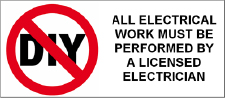
When in doubt, always consult a licensed electrician to ensure everything is done safely and in compliance with the local electrical codes.
Should you need further assistance or wish to book a professional service, feel free to contact us via our contact page or book an online request for a service call to save 10% on our initial inspection fee at here.
What specific electrical project have you considered doing, and do you feel confident in your ability to carry it out safely?