How to Reset a Tripped Breaker: A Step-by-Step Guide
Thursday July 3 2025Electrical systems play a pivotal role in ensuring our comfort and convenience. Among the components that keep your electrical system running smoothly are circuit breakers. These devices protect your home from overloads and short circuits by interrupting the flow of electricity when issues arise. However, a tripped breaker can leave you in the dark, literally. Here’s a step-by-step guide on how to reset a tripped breaker safely and efficiently.
Understanding Circuit Breakers
Before diving into the steps to reset a tripped breaker, it’s important to understand what circuit breakers do.
- Protection: They protect circuits from overheating and potential fire hazards by halting electrical flow when current levels exceed safe thresholds.
- Resettable: Unlike fuses, circuit breakers can be reset after they trip, allowing continued use without replacement.
Identify the Cause of the Trip
Before you reset the breaker, it’s essential to identify what caused it to trip in the first place. Common culprits include:
- Overloaded circuits
- Short circuits
- Faulty appliances
Identifying the cause helps in preventing future trips. If you notice a specific appliance consistently causing the issue, it may need repair or replacement.
Step-by-Step Process to Reset a Tripped Breaker
Step 1: Locate Your Circuit Breaker Panel
The first step is to find your circuit breaker panel, usually located in a utility room, basement, or hallway. It’s often housed in a metal or plastic box.
Step 2: Open the Panel Door
Carefully open the circuit breaker panel door. Ensure that your hands are dry and the environment is safe.
Step 3: Identify the Tripped Breaker
Look for the breaker switch that is in the “OFF” position or is noticeably in the middle position. These breakers often have a red or orange indicator.
Step 4: Understand the Breaker Layout
Your breaker panel may contain single-pole breakers (for 120-volt circuits) and double-pole breakers (for 240-volt circuits). It’s wise to be familiar with which breaker corresponds to which area of your home.
Step 5: Turn Off All Devices on the Affected Circuit
Before resetting, turn off all appliances and devices connected to the circuit that tripped. This prevents further overload once the circuit is restored.
Step 6: Reset the Breaker
- Firmly press the breaker switch all the way to the OFF position.
- Wait a few seconds.
- Move the breaker back to the ON position. You should hear a click.
Step 7: Test the Circuit
Once reset, turn on the devices that were previously off. If the breaker trips again immediately or shortly after, this indicates a persistent issue, such as:
- An overload of devices
- A short circuit requiring further inspection
When To Seek Professional Help
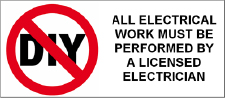
If you follow these steps and the breaker continues to trip or does not reset, it’s time to consult a licensed electrician. They can diagnose issues that may not be apparent, such as faulty wiring or damaged appliances.
Safety Precautions
- Wear Shoes: Always wear shoes when working near your circuit panel to prevent electric shock.
- Hands Dry: Ensure your hands and any tools are dry before touching the panel.
- No Wet Conditions: Do not attempt to reset breakers during wet or damp environments.
Understanding how to reset a tripped breaker can save you time and prevent disruptions in your household. Regular checks and maintenance of your electrical system and appliances can help mitigate issues.
You might want to contact us via our contact page or book an online service call at this link to save 10% on our initial inspection fee.
Have you ever experienced an electrical issue that required a reset, and how did you handle it?