Oven Maintenance 101: Tips for Keeping Your Appliance in Top Condition
Tuesday September 16 2025Owning an oven is a staple in many kitchens across Australia. It’s an essential appliance that helps prepare delightful meals for you and your family. However, like any appliance, it requires regular maintenance to ensure it operates efficiently and lasts for many years. Keeping your oven in top condition is crucial for excellent performance and safety. Below are some practical tips for oven maintenance.
Understanding Your Oven
Before diving into maintenance, it’s important to understand the various types of ovens available:
- Conventional ovens: These use a heating element at the top and bottom for cooking.
- Convection ovens: These contain a fan that circulates hot air, cooking food more evenly.
- Steam ovens: These use steam to cook food, preserving moisture and nutrients.
Knowing which type of oven you have can help tailor maintenance techniques accordingly.
Regular Cleaning Practices
1. Wipe Down Surfaces
After every use, especially after baking spills, make sure to wipe down the oven’s interior surfaces. Use a damp cloth or sponge with mild detergent to remove grease and food particles. This prevents buildup, which can become hard to clean over time.
2. Remove the Oven Racks
Cleaning the oven racks outside of the oven can be easier. Soak them in warm, soapy water; scrubbing them with a non-abrasive scrubber can effectively remove sticky residue. Rinse and dry before placing them back in the oven.
3. Choose the Right Cleaner
For tougher stains, consider using a commercial oven cleaner or baking soda paste. Mix baking soda with a small amount of water to create a paste, apply it to the stained areas, and let it sit for a few hours before wiping it clean.
Inspect and Maintain Regularly
4. Check the Seals
Door seals (or gaskets) are important for heat retention. Regularly check to ensure the seals are not cracked or damaged. A simple test is to close the oven door on a dollar bill; if the bill slips out easily, the seal may need replacing.
5. Inspect the Heating Elements
If you notice uneven cooking or baking issues, check the heating elements. Ensure they are clean and functioning correctly. If there’s visible damage or wear, consult a technician to replace them.
6. Calibrate Your Oven
Regularly test the oven temperature with an oven thermometer. If the temperature is off by more than 5 degrees, you may need to recalibrate your oven according to the manufacturer’s manual, or consult an electrician for adjustments.
Efficient Usage Tips
7. Avoid Overcrowding
Overcrowding the oven can lead to uneven cooking and strain the heating elements. Space out dishes to allow hot air to circulate, especially when using convection settings.
8. Use Correct Cookware
Use oven-safe and appropriate cookware. Glass and ceramic are generally preferred as they handle high temperatures well. Avoid metal pans and foil that could cause scratches on the oven’s surfaces.
Professional Maintenance
9. Schedule Regular Professional Inspections
Like any appliance, regular professional maintenance is vital. Schedule yearly check-ups with qualified electricians who can inspect and service your oven thoroughly.
10. Get Repairs Done Promptly
If your oven displays signs of malfunction, such as unusual noises or error codes, don’t hesitate to seek professional help. Addressing small issues promptly prevents bigger, costlier repairs in the future.
Safety First!
11. Keep Flammable Materials Away
Ensure that any flammable materials or items are stored away from your oven. This includes towels, trivets, or other kitchen tools.
12. Always Monitor While Cooking
Never leave your oven unattended while cooking, especially at high temperatures, to prevent fires.
Frequently Asked Questions
13. How Often Should I Clean My Oven?
A good rule of thumb is to clean your oven every few months, or more frequently if you use it often.
14. What Can I Do If My Oven Smells?
If your oven emits a burning smell, it may be due to leftover debris. Cleaning thoroughly can often resolve this issue. If the smell persists, consult with a technician.
15. What Maintenance Tasks Should I Avoid?
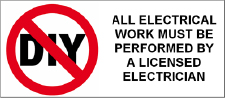
Avoid attempting complex repairs or replacements unless you are certified. Incorrect handling can worsen the problem or create hazards.
Ovens are a vital part of your kitchen, offering convenience and enhancing your cooking experience. Regular maintenance ensures your oven remains safe, efficient, and ready for whatever delicious meal you plan next.