Preventing Fire Risks: How to Safeguard Your Home from Potential Blazes
Tuesday December 23 2025Fires can devastate homes and endanger lives. Fortunately, there are practical measures you can take to reduce the risk of a blaze in your property. This article aims to provide insights into fire prevention, covering essential tips and techniques to safeguard your home.
Understanding Fire Risks
The first step in preventing fire risks is grasping what causes house fires. Common sources include:
- Cooking equipment: Unattended cooking is the leading cause of home fires.
- Heating appliances: Faulty heating devices or decorative fires can pose significant hazards.
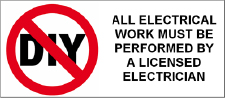
- Electrical faults: Overloaded circuits and damaged wires can trigger fires.
- Smoking materials: Careless disposal of cigarette butts is a common issue.
- Flammable liquids: Chemicals stored improperly, such as gasoline or cleaning supplies, can ignite easily.
Awareness of these risks is key to implementing effective prevention strategies.
Install Smoke Alarms
Smoke alarms are life-saving devices. Ensure they are:
- Installed on every level of your home, including inside sleeping areas.
- Tested monthly to confirm they are working correctly.
- Replaced every 10 years to ensure reliability.
Consider interconnected smoke alarms, which sound simultaneously throughout the house, providing immediate alerts.
Regular Maintenance of Heating Systems
Maintaining heating appliances is crucial to fire prevention. Follow these practices:
- Have your heating system inspected annually by a qualified technician.
- Keep flammable items, such as furniture or curtains, at least three feet away from heating appliances.
- Use fire guards around open flames, like fireplace and wood-burning stoves.
Safe Use of Electrical Appliances
Faulty wiring and overloading circuits are significant fire risks. To mitigate these hazards:
- Only use appliances that are tested and certified by a recognised body.
- Do not overload power points. Use power boards with built-in safety switches.
- Unplug appliances when not in use, especially those that generate heat, like irons and toasters.
Create an Emergency Plan
Having an emergency plan is invaluable in case of a fire. Key elements of your plan should include:
- Designated escape routes from each room.
- Points of refuge outside where family members can gather.
- Regular fire drills to ensure everyone knows the plan.
Children should be educated on fire safety and know how to react in an emergency.
Maintain a Fire-Resistant Environment
A defensible space around your home can significantly reduce fire risks. Here are various ways to create a fire-resistant environment:
- Landscaping: Use fire-resistant plants and materials. Keep vegetation well-trimmed and at least three metres away from structures.
- Gutters and Roof: Regularly clean gutters to prevent the accumulation of leaves and debris that can catch fire.
Store Flammable Materials Safely
Be mindful of how you store flammable materials:
- Keep items like petrol, paint, and cleaning supplies in a cool, dry place away from heat sources.
- Use approved containers for hazardous substances, ensuring they are clearly labelled.
Cooking Safety Tips
Since cooking is a primary cause of home fires, consider employing the following practices:
- Never leave cooking items unattended on the stove.
- Keep flammable items away from hot surfaces, including oven mitts, paper towels, and wooden utensils.
- Use a timer to remind yourself of unattended cooking.
Invest in Fire Extinguishers
Fire extinguishers can control small fires before they escalate. Acquire at least one extinguisher on each level of your home, particularly in the kitchen. Familiarise yourself with its use through the PASS technique:
- Pull the pin
- Aim low at the base of the fire
- Squeeze the handle
- Sweep side to side
Regularly check your extinguishers for pressure and servicing, following manufacturer guidelines.
Safeguarding your home from potential fire risks involves a combination of awareness, safety practices, and constant vigilance. Regular maintenance of appliances, creating an emergency plan, and installing smoke alarms are just a few proactive steps you can take. By understanding the fire risks associated with cooking, heating, and electricity, you empower yourself and your family to minimise danger and effectively respond to emergencies.
Have you implemented fire prevention strategies in your home? What are your concerns regarding home fire safety? Please feel free to reach out for guidance with your electrical needs or to learn more about fire safety measures. You can contact us via our contact page or book an online service request to save 10% on your initial inspection fee at this link.