Understanding Your Home’s Electrical Load: Why It Matters for Safety
Tuesday January 6 2026Electrical systems in homes are often overlooked until an issue arises. Understanding your home’s electrical load is essential not only for efficiency but also for safety. This article will explore what electrical load is, why it matters, and how you can manage it effectively.
What is Electrical Load?
Electrical load refers to the total amount of electrical power that devices in your home consume. It is measured in kilowatts (kW) or kilowatt-hours (kWh). Every electrical device you use, from the refrigerator and lighting to your television and computer, contributes to your home’s electrical load.
Why Understanding Electrical Load is Essential
1.Safety Considerations
- Prevent Overloading Circuits: Understanding your electrical load helps in preventing circuit overloads, which can lead to tripped breakers or, worse, electrical fires. For example, if a circuit is rated for 15 amps, using devices that collectively exceed this rating will put you at risk.
- Identify Weaknesses: Knowing your electrical load can help you identify weak points in your home’s wiring. Older houses may have outdated wiring that isn’t designed to handle modern electrical demands.
2.Energy Efficiency
- Lower Energy Bills: Recognizing which appliances consume the most power allows you to make informed choices about usage. For instance, running high-consumption devices during off-peak hours can help reduce energy costs.
- Proper Sizing of System Components: When upgrading or installing new systems (such as HVAC or water heaters), understanding your load can ensure you purchase appropriately sized components, avoiding inefficient operations or insufficient power.
3.Planning for Future Needs
- Accommodating Upgrades: As families grow and technology advances, electrical needs change. Evaluating your current load can help you plan for future enhancements, such as adding new devices or outlets, without risking safety or functionality.
- Home Resale Value: A well-run electrical system can contribute to the resale value of your home. Potential buyers will appreciate a home that has a safely managed and updated electrical system.
How to Evaluate Your Electrical Load
1.Calculate Your Load
- Start by creating a list of all electrical devices in your home. For each appliance, note the wattage (which can often be found on the device’s label or in the user manual).
- Use the following formula to calculate the total load:[\text{Total Load (kW)} = \frac{\text{Total Wattage}}{1000}]
2.Consider the Load Factors
- Account for diversity factor, which takes into consideration that not all devices are used at the same time. Typically, a diversity factor of 0.5 to 0.75 is reasonable for residential calculations, meaning you can safely estimate that not all devices will be powered at once.
3.Assess Individual Circuits
- Break down your load by circuit to identify any potential overloading concerns. Calculate the amperage of the circuit by dividing the wattage of each device by the voltage of the circuit (usually 120V in Australian homes).
Managing Your Electrical Load
1.Upgrade Wiring as Needed
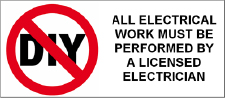
- If your home consistently trips breakers or has too many devices on one circuit, it may be time to upgrade your wiring or install additional circuits. Consulting a qualified electrician will ensure that your home is safe and compliant with local regulations.
2.Use Energy-Efficient Appliances
- Opt for appliances that have a high energy rating, which can significantly decrease your overall load. Look for the Energy Star label when purchasing.
3.Implement Smart Home Technologies
- Smart power strips and home automation systems can help manage usage effectively. For instance, smart outlets can be scheduled to turn off devices when not in use, further reducing your load.
4.Conduct Regular Inspections
- Regularly inspect your electrical system. Look for wear and tear, frayed wires, or outdated appliances that may be consuming excessive power. Annual electrical inspections by licensed electricians can provide peace of mind.
5.Empower Family Members
- Educate your family about electrical safety, including not using multiple high-wattage devices simultaneously on a single circuit. Encourage responsible use of electricity, such as turning off lights in unoccupied rooms.
Understanding your home’s electrical load is an integral part of maintaining a safe and efficient home. By being proactive in evaluating and managing your electrical load, you can not only enhance your home’s safety but also ensure that it runs smoothly.
For more personalised advice or services, consider reaching out to professionals like those at Abc Electrical. You can contact us through our contact page or book an online request for a service call at this link to save 10% on our initial inspection fee.
If you have concerns about your electrical system or would like to know more about managing your electrical load effectively, don’t hesitate to reach out. Our team at Abc Electrical is here to assist you with expert advice and services catered to your needs.