Oven Maintenance 101: Tips for Keeping Your Appliance in Top Condition
Tuesday March 17 2026Regular maintenance is essential to prevent costly breakdowns and extend the life of your oven. Keeping this essential kitchen appliance in good working order ensures it remains safe and reliable for cooking meals for years to come.
We’re sharing practical tips you can use to maintain your oven yourself and highlight when professional service is necessary to keep your appliance running smoothly. For expert assistance in Brisbane, always call qualified sparkies like our team at ABC Electrical.
Routine Cleaning Tasks
A clean oven performs better and is less likely to develop faults. Aim to wipe down the interior and exterior surfaces after substantial use.
Tackling Food Spills Promptly
Burnt-on food is much harder to remove later and can smoke during future cooking cycles. Use a damp cloth to clean spills as soon as the oven cools down. Avoid abrasive cleaners that might damage the internal coating.
Caring for Oven Racks
Regularly remove the metal racks from your oven to give them a thorough cleaning. Hot soapy water and a non-abrasive scourer typically do the job well for grease. You might use specialised oven cleaning solutions for particularly stubborn, carbonised grime.
Maintaining the Oven Door Seal
The rubber or fibreglass gasket around the oven door is critical for trapping heat inside. Check it periodically for cracks, tears, or signs of wear, as a damaged seal lets heat escape. Clean it gently with a soft cloth and soapy water to prevent build-up that could affect the seal.
Cleaning the Glass Door Panels
Oven doors often feature internal and external glass panels that collect grease and grime. Wipe down the glass using appropriate non-abrasive cleaners and soft cloths after each use when possible. Some models allow you to remove the inner glass pane for deep cleaning; check your manufacturer’s instructions first.
Inspecting Key Components
Beyond cleaning, you should regularly check specific components to catch minor issues early. These components are wear items that inevitably require attention or replacement eventually.
Checking the Heating Elements
Visually inspect both the bake (bottom) and broil (top) elements when the oven is off and cool. Look for signs of blistering, cracking, or discoloration, which can indicate failing elements. Elements will eventually burn out, potentially unevenly, affecting cooking results.
Verifying the Temperature Accuracy
If your baking is inconsistent, your oven’s temperature might be inaccurate. Use an independent oven thermometer, placed inside, to check if the internal temperature matches your setting. Significant discrepancies often mean the thermostat or another control component needs replacing.
Monitoring the Fan Function
Electric ovens use a fan to circulate hot air. Listen for any unusual noises like rattling, squeaking, or grinding when the fan is running. These sounds can signal a problem with the fan motor or bearings. Ensure nothing is obstructing the fan blades inside the oven compartment.
When to Call a Professional
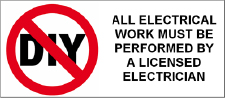
Some maintenance tasks and all repairs must be handled by qualified and licensed individuals for safety reasons. Working with electricity is dangerous and requires specialised expertise.
Signs of Electrical Issues
Any flicking lights, burning smells, or unusual noises while the oven is operating require immediate professional investigation. If you ever experience even a minor electric shock from the appliance, turn it off at the power point or switchboard immediately. Do not attempt to diagnose or fix electrical faults yourself; contact a qualified sparkie.
Broken Heating Elements or Faulty Components
Replacing heating elements, thermostats, fan motors, door seals, and other complex parts are tasks for professionals. Attempting DIY replacement without the correct knowledge or tools risks improper installation, voiding warranties, and unsafe operation. A technician can also verify other components aren’t affected by the failure.
Persistent Performance Problems
If your oven isn’t heating properly, cooks unevenly, or displays errors despite your regular cleaning efforts, it’s time to call in a professional. Ongoing issues might indicate more complex underlying electrical or electronic problems that require specialised diagnostic tools and knowledge to resolve.
By following these simple maintenance practices, you can significantly improve your oven’s performance, extend its lifespan, and ensure safety. Remember to schedule professional service when issues beyond basic cleaning arise.
You might like to contact us via our contact page at https://abcelectrical.net.au/contact-us or alternatively book an online request for a service call at https://abcelectrical.net.au/247-online-bookings/ to save 10% on our initial inspection fee.