Why Your Outlets Aren’t Working: Troubleshooting Tips Before You Call for Help
Tuesday November 18 2025Experiencing issues with electrical outlets can be frustrating and inconvenient. Before you decide to call in a professional, it’s worth taking some time to troubleshoot the problem yourself. Let’s delve into some common reasons why your outlets may not be working and practical tips to restore power to your space.
Check for Power Issues
First and foremost, verify that there is indeed an issue with your outlet.
- Inspect Your Circuit Breaker:
Often, tripped circuit breakers are the culprit behind non-functioning outlets. Head to your electrical panel and look for any switches that are in the ‘OFF’ position. If you find one, reset it by flipping the switch back to ‘ON’. - Test Other Outlets:
Determine whether the problem is isolated to one outlet or if multiple outlets are affected. If other outlets in the same area are also dead, it may indicate a larger issue with your home’s electrical system. - Check for GFCI Outlets:
Many modern homes have Ground Fault Circuit Interrupter (GFCI) outlets, particularly in bathrooms and kitchens. These outlets have a ‘reset’ button and can trip due to moisture or overload. Locate the GFCI outlets in your home and press the ‘reset’ button.
Inspect Your Appliances
If your circuit breakers and GFCI outlets are functioning properly, the issue might lie within the appliance you’re trying to use.
- Try a Different Appliance:
Plug another device into the outlet. If the second appliance works, the issue may be with the first device. Faulty appliances can sometimes short-circuit an outlet, causing it not to work. - Check Power Cords:
Inspect the power cord of your appliance for any visible signs of damage. Frayed wires or broken plugs can create safety hazards.
Check for Wiring Issues
If you’ve ruled out simple fixes, it’s time to consider the possibility of wiring issues.
- Loose Connections:
Sometimes, the connections within the outlet box may become loose over time. Turn off the power to the outlet at the circuit breaker. Remove the outlet cover and screws, then gently pull the outlet out of the box. Check all wiring connections to ensure they are secured properly. - Inspect for Burn Marks:
Look for blackened or burn marks around the outlet. If you discover any, do not attempt to use that outlet again; it could indicate a serious wiring problem or a faulty outlet that needs to be replaced.
Test with a Voltage Tester
When troubleshooting electrical issues, a voltage tester can be an invaluable tool.
- Use a Non-Contact Voltage Tester:
This handy device can detect electrical current without direct contact. Switch off power to the outlet and then use the tester to check whether the wires inside still have voltage. If they do, this indicates a break in the circuit somewhere else in your home. - Check for Wiring to the Outlet:
A voltage tester can also help ensure that power is reaching the outlet itself. If there is no voltage, the outlet may need to be replaced.
Seek Professional Help
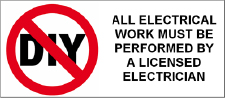
If you’ve tried all of the above troubleshooting steps and still find that your outlets are not working, it may be time to call for help.
- Identify the Root Cause:
Electrical issues can range from simple fixes to complex problems that pose safety hazards. An experienced electrician can quickly diagnose the issue and recommend appropriate solutions. - Consider Electrical Upgrades:
If your home is older, it may be time to consider upgrading your electrical system to meet modern safety standards.
Troubleshooting your electrical outlets can save you time and money. Often, the issues are simple and easily fixed. Always ensure safety by turning off the power before checking outlets.
Should you find yourself overwhelmed or the problem persists, it’s essential to contact a qualified electrician.
If your troubleshooting efforts do not yield results, or if you prefer professional assistance, feel free to reach out via our contact page at Contact Us or book an online service call at Online Bookings to save 10% on our initial inspection fee.
Have you experienced outlet issues in your home? What steps did you take to resolve them?